
Think about the smoke detectors in your home. You probably don’t check them every hour to make sure nothing is burning. Their job is to remain quietly in the background and get your attention when there’s a reason to act.
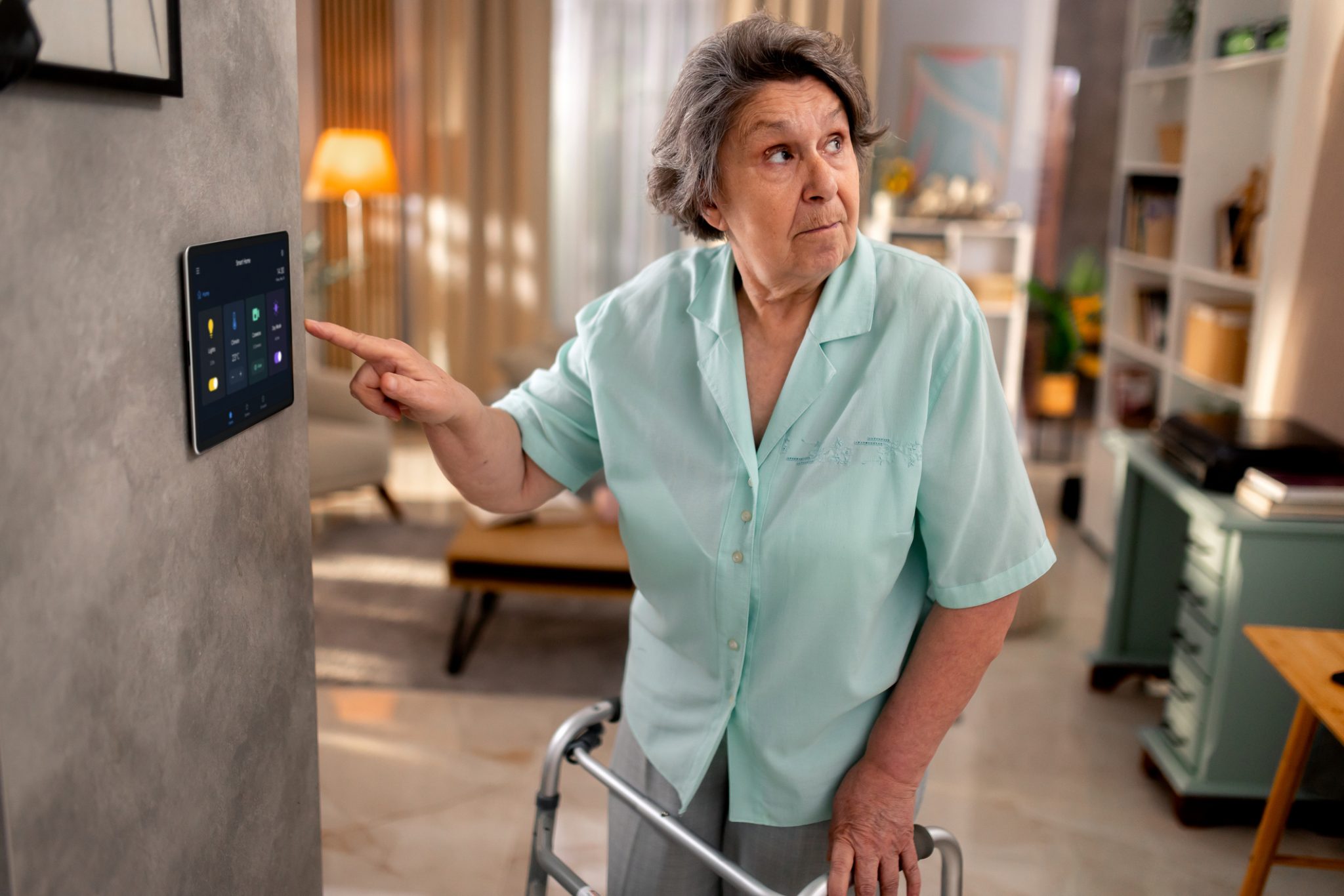
Senior home safety monitoring technology can work much the same way when you’re concerned about an older loved one living at home. A fall-detection device can alert you when help may be needed. A medication dispenser can notify you about a missed dose. Door sensors, motion detectors, GPS technology, and other tools can provide important information without requiring you to constantly check in.
The trouble begins when a tool intended to alert you to problems becomes a way to observe everyday life. Having access to information doesn’t necessarily mean you need to watch it, and choosing the right boundaries can help you protect both your loved one’s safety and privacy.
Let the Concern Determine the Technology
Before buying a device, identify exactly what you want it to accomplish. If you can’t name the specific concern, you may end up gathering information that doesn’t serve a useful purpose.
For instance, if you’re worried about your loved one falling when they’re alone, you may only need technology that detects a fall or allows them to call for help. If medication has become difficult to manage, a smart dispenser may address that issue directly. Concerns about becoming lost outside the home might point toward location technology instead.
A targeted solution gives you information related to the problem without automatically providing access to everything else your loved one does.
Decide Together What Is Off-Limits
When your loved one is able to participate in the decision, discuss privacy before installing anything. Don’t assume that agreeing to monitoring means agreeing to every feature a device offers.
Talk specifically about where devices will be located, which information they collect, and who will have access. You may find that your loved one is comfortable with motion sensors in common areas but doesn’t want cameras inside the home. Location sharing may be acceptable for certain circumstances as long as it isn’t used for casual checking throughout the day.
These conversations also give you a chance to explain why you’re considering the technology. When both of you understand the purpose and limits, it’s easier to establish an arrangement that addresses safety without unnecessarily intruding on personal space.
Use Alerts as Alerts, Not Invitations
Notifications are designed to get your attention, but not every piece of information deserves the same response. Decide ahead of time what will prompt you to call, visit, or take other action.
A detected fall obviously belongs in a different category from getting out of bed an hour later than usual. A missed dose of an important medication may warrant a check-in, while an unexpected afternoon outing may simply mean plans changed.
Consider setting similar expectations with anyone else who has access to the technology. If several relatives receive notifications, choose who will respond first and when others should become involved. Otherwise, one minor change can result in a chorus of concerned calls that leaves your loved one explaining perfectly ordinary choices.
Ask Whether You’re Checking or Watching
There’s an important difference between using technology to alert you to a potential problem and repeatedly checking it to see what your loved one is doing.
If you notice yourself opening an app without receiving an alert, checking location information out of curiosity, or studying daily patterns for changes that don’t present a safety concern, consider stepping back. Your loved one still deserves the freedom to have an unpredictable Tuesday without having to account for it.
It can help to ask yourself whether you would want someone monitoring the same information about your day. That perspective often makes unnecessary checking easier to recognize.
Change the Setup When the Situation Changes
The amount of monitoring that’s appropriate today isn’t necessarily what you’ll need next year. Health, mobility, memory, and living arrangements can all change, and the technology should change along with them.
Review your setup periodically to see which devices are still serving a useful purpose. You may be able to eliminate something that’s no longer necessary, reduce notifications, or adjust who has access. If new safety concerns arise, you can also consider whether additional monitoring or another kind of support would address them better.
When You Need More Than an Alert
Monitoring tools can let you know that something happened, but they can’t always tell you what led to it. A sensor won’t necessarily notice that your loved one has been moving more cautiously lately, seems discouraged, or is having trouble with something they haven’t mentioned.
Sometimes having another trusted person in the home can provide the reassurance technology can’t. Covenant Caregivers offers support and personal attention while allowing your loved one to retain privacy and independence.
If you’d like to add a human layer of support for someone you love in Brandon, Hattiesburg, Madison, or the surrounding areas, call Covenant Caregivers at 601-856-5660. We’d be glad to talk about ways to make living at home safer without turning every part of the day into something that needs monitoring.